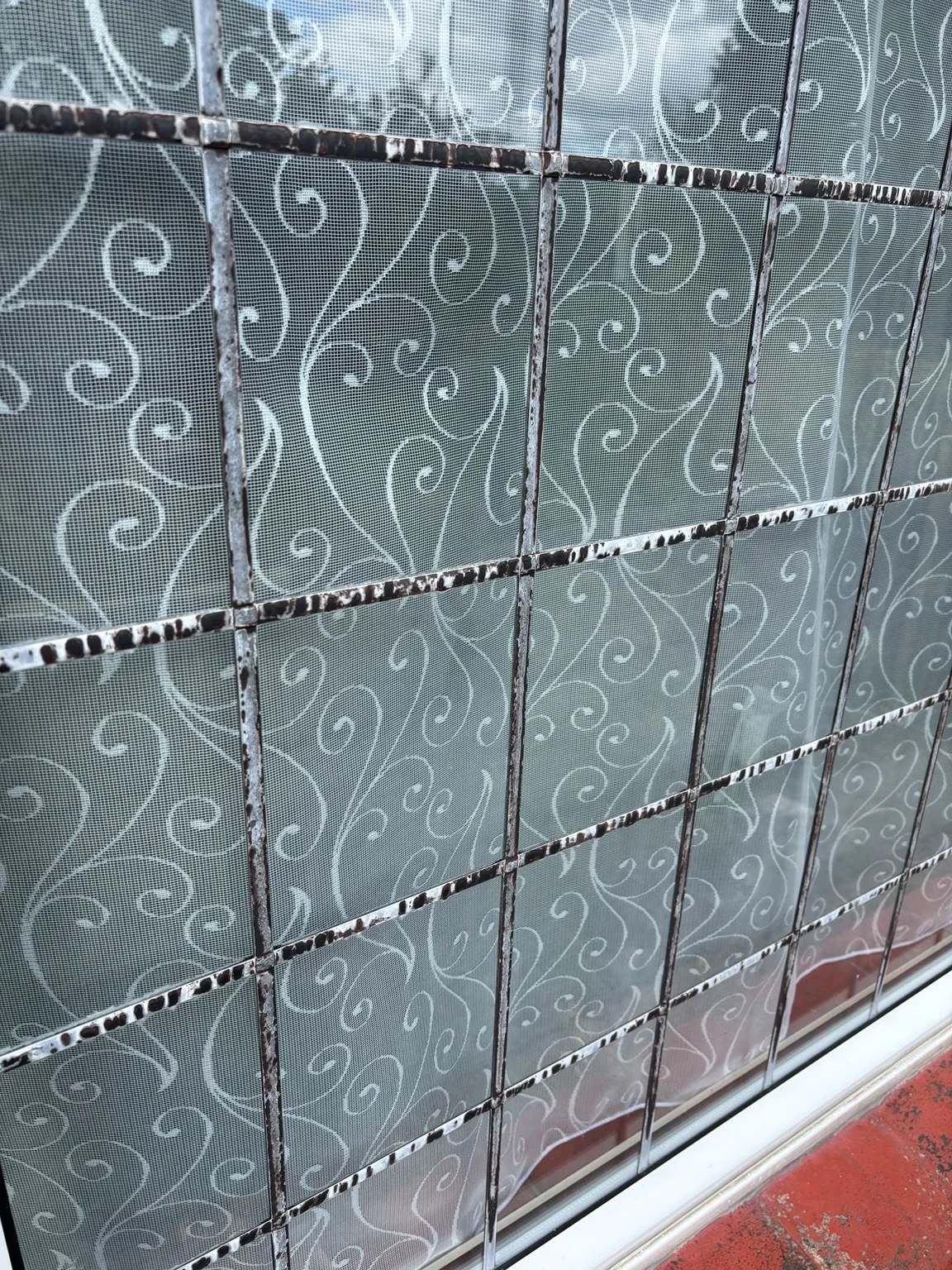
During an inspection of this 1950s property in Hayling Island, corrosion was identified to metal components associated with an older leaded window. Further corrosion was noted to the hinges. The installation appeared to pre-date the FENSA certification scheme, which is relevant as an indication of age and certification context rather than being a defect in itself.
Why can coastal conditions accelerate corrosion?
Properties close to the coast are exposed to salt-laden air and generally harsher weathering. Where protective coatings to ferrous metal components have deteriorated, this exposure can accelerate corrosion. Hinges, fixings and other small metal components are particularly vulnerable because they are exposed to repeated wetting and are relied upon for the window to operate correctly.
Why does this matter?
Corrosion can affect both durability and operation. As deterioration progresses, hinges and fittings can become stiff or weakened, and the window may become more difficult to open and close. Deteriorated metalwork can also increase maintenance requirements and may eventually make economical repair less practical.
Older windows may also provide lower levels of thermal performance and weather resistance than modern replacements, although their actual performance should be judged from the individual installation rather than age alone.
Repair or replacement?
Where corrosion is localised, cleaning, treatment, lubrication, repair and renewed protective coatings may prolong service life. Where deterioration is more widespread, particularly where operating components are affected, replacement may become the more proportionate long-term option.
Taking account of the age of the installation, the visible corrosion and deterioration noted to the hinges, this window was considered likely to be approaching the end of its serviceable lifespan. This does not provide an exact remaining life: condition, maintenance and exposure all influence how long a window will continue to perform satisfactorily.
What should a homeowner do?
A suitably experienced window contractor should assess whether the affected components can be overhauled economically or whether replacement is more appropriate. Where replacement is proposed, the new installation should comply with relevant current requirements and suitable certification should be obtained.
What a survey can reveal
Windows can appear serviceable during a viewing while closer inspection reveals corrosion to hinges, fittings or other metal components. Identifying this deterioration before purchase can help a buyer plan maintenance and understand where future replacement expenditure may be approaching.